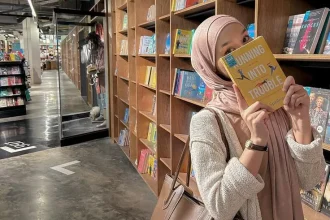
How To Style ‘Pashmina Jahat’ This Season (and How I Keep It Neat)


Okay, let’s have a real talk about something that is currently all over our feeds: those absolutely stunning, vibrant printed pashminas. They are a major mood this season. But if you’ve actually tried to wrap one, you know the struggle is real. We’re talking about the infamous “Pashmina Jahat” – and today, I’m sharing my editor-approved secrets for taming this beautiful beast and getting that flawless, neat look.
What is “Pashmina Jahat”? (And Why are We Obsessed?)
“Pashmina jahat” is an Indonesian term. For those of us unfamiliar, it literally translates to “evil pashmina” or “wicked pashmina.” But don’t let the name scare you! It’s all about the fabric. These are typically oversized stoles, scarves, or pashminas made from incredibly soft, silky, or slippery materials like satin, high-grade silk, or very fine chiffon, often featuring bold, intricate patterns or digital prints.
Why the “evil” nickname? Because they are notoriously difficult to manage! They slide. They lose their shape. They refuse to drape correctly. You walk for five minutes, and suddenly your perfectly pinned hijab looks like a crumpled mess. They are “evil” because they mock our styling skills.
So, why are they so popular?
The pashmina is dubbed the “wicked scarf” (kerudung jahat) because the styling technique makes the face look incredibly snatched, elegant, and striking. This term is a form of hyperbole—a “slang” compliment from social media netizens—to describe just how flowy and stunning the look is, rather than having any actual negative connotation.
Here are the key reasons why this trend is called “pashmina jahat”:
- The Snatched Face Effect: The specific wrapping technique and materials used (usually viscose or ceruty chiffon) frame the face so neatly that it creates a slimming effect, making the face appear smaller and more contoured—it’s “wicked” because the result looks almost too perfect.
- Viral Status: The term blew up on TikTok and Instagram through tutorials that showcase how the style highlights sharp, defined facial features.
- Graceful and Effortless: This style utilizes a long pashmina draped in a way that leaves one side long and flowing, providing an elegant silhouette without needing a million pins.
- Eid 2026 Trend: It is predicted to be the most popular hijab style this year, especially for special occasions.
Let’s Talk Lingo: English and “Arabian” Styles

When you are looking for styling inspiration, knowing the right terms helps. In the English-speaking modest fashion scene, we often just call this “luxurious printed hijab styling” or focus on the draping technique, like “the clean-look wrap.”
In many digital circles, especially those referencing Middle Eastern trends, this style (characterized by its sleek, defined shape and lack of bulk) is often referred to as an “Arabian style” or “Khaliji drape.” This look is all about a structured frame that showcases the print and the rich fabric.
My 5 Steps for a Flawless, Neat ‘Pashmina Jahat’

Forget the bulk; we are going for a snatched, streamlined finish. The secret is preparing the scarf properly and using minimal pins, strategically placed. If you are starting with a very large rectangular scarf, I actually recommend folding it length-wise so it’s a manageable width before you even begin.
Here is my go-to routine for taming the “Pashmina Jahat”:
Step 1: The Essential Base and Prep
First, use a good-quality, cotton-lycra under-cap (inner) to provide grip. Before you put the scarf on, fold it so one edge is a few inches longer than the other (like a slight, asymmetric triangle-fold, but keep the scarf rectangular). Then, slightly fold the front edge of the scarf—the part that will frame your face—inward by about an inch. This gives it structure and prevents that weird floppiness.
Step 2: Set the Initial Frame and Secure
Place the prepped pashmina on your head, making one side significantly longer than the other (about 1/3 short, 2/3 long). Adjust the folded front edge neatly around your face. Use one single pin right under your chin to secure the structure. Make sure this pin catches your under-cap for stability. Your frame is set.
Step 3: The Neat Wrap (No Bulk!)
Take the longer end of the scarf. Carefully smooth it across your chest and wrap it over your other shoulder, continuing it around the back of your neck. The key is to keep this layer tight and close to your body/face. Do not let it bunch up around your neck or the side of your face. This keeps the profile sleek. Bring the longer end back over to your chest.
Step 4: Secure and Tuck
Now, you have the short end resting on your chest and the longer end resting over it. For that super-neat finish, tuck the remaining short end neatly under the fold of the wrapped layer on your chest or simply inside your shirt (if you prefer a cropped drape).
Step 5: The Anti-Slide Safety Pin
Finally, take the remaining portion of the longer end and adjust its drape on your chest. Find a spot on your shoulder where the pashmina rests naturally. Use a very discrete safety pin (the smaller, the better) to secure this drape directly to the fabric of your blouse or blazer on your shoulder. This is the key. If the scarf tries to slide forward, this pin holds it back and keeps the sleek line you’ve created.

And that’s it! Five steps to tame the “Pashmina Jahat.” It takes a little practice, but once you get the hang of folding and that single anti-slide pin, you will be rocking these stunning prints with absolute confidence.
Try it out and let me know how it goes! Tag me in your flawless pashmina jahat selfies!